
+86 573 8559 9073 info@aokux.com
Copyright © Aokux, aviation obstruction light, Marine Lantern, Low Intensity Lights, Medium Intensity Lights, Helipad Lights, solar obstruction light, Exporter, Factory China
Home » News » What Is Aircraft Warning Light: The Guardian of Nighttime Aviation Safety

What Is Aircraft Warning Light: The Guardian of Nighttime Aviation Safety

Apr. 11, 2025

In the vast expanse of the night sky, where human vision fails, aircraft warning lights serve as silent sentinels protecting both airborne and ground-based assets. These specialized lighting systems are not mere accessories but critical safety components mandated by international aviation regulations. This article delves into the technical specifications, operational principles, and evolving technologies behind these unsung heroes of aviation safety.


The Fundamental Purpose of Aircraft Warning Lights
Aircraft warning lights fulfill three core missions:


Obstacle Illumination: Marking tall structures (200+ feet) to prevent collisions


Airspace Segmentation: Defining restricted zones near airports/military bases


Emergency Signaling: Serving as visual distress beacons for grounded aircraft


Technical Specifications Breakdown
Modern systems comply with ICAO Annex 14 standards featuring:
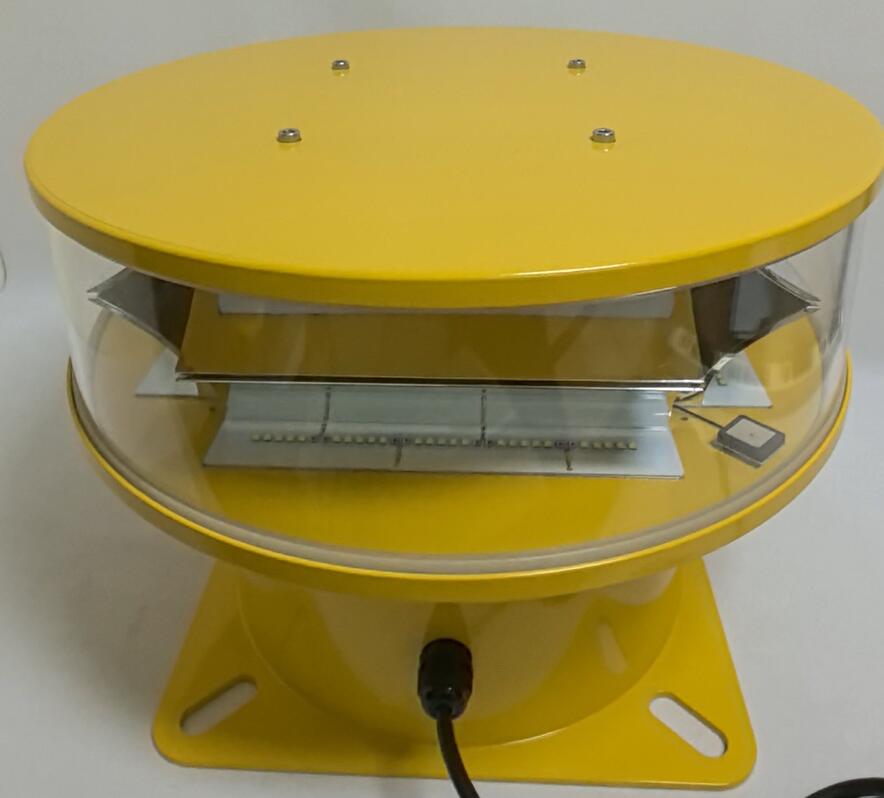
what is aircraft warning light

Parameter Low-Intensity High-Intensity
Luminosity 32.5 cd 200,000 cd
Flash Frequency 20-60 fpm 40-60 fpm
Vertical Coverage 3°-7° 10°-30°
Day/Night Operation Optional Mandatory
Table 1: Comparative performance metrics (FAA AC 70/7460-1L)


Cutting-Edge Innovations
Li-Fi Enabled Lights
Experimental systems now transmit aircraft ID/altitude data via light modulation (Airbus 2023 trial achieved 50Mbps)


Predictive Maintenance AI
Siemens' SmartLight system reduces failures by analyzing voltage fluctuations (93% accuracy in field tests)

what is aircraft warning light


Eco-Sensitive Designs
New Zealand's "Dark Sky" compliant lights reduce light pollution by 70% while maintaining FAA visibility


Installation Case Study: Burj Khalifa
The world's tallest building employs a multi-tiered aircraft warning light system:


360° L-864 LED beacons at 3 elevation tiers


12 redundant power circuits


Automated dirt detection sensors
Cost: $2.4 million (including maintenance for 10 years)


Maintenance Best Practices
Lens Cleaning: Monthly for coastal installations (salt accumulation reduces luminosity by 40% in 6 months)


Load Testing: Simulate 72-hour continuous operation biannually


Cybersecurity: Isolate networked systems from SCADA vulnerabilities


Future Outlook
The next-generation aircraft warning lights will integrate:


Quantum dot LEDs (200% brighter at same power)


Autonomous charging drones for offshore installations


Blockchain-based maintenance logs


From humble incandescent beginnings to today's smart systems, aircraft warning lights continue evolving as aviation's first line of defense. Their unblinking vigilance enables the 24/7 global air traffic system while preventing thousands of potential collisions annually. As urban density and air traffic increase, these luminous guardians will only grow in strategic importance.