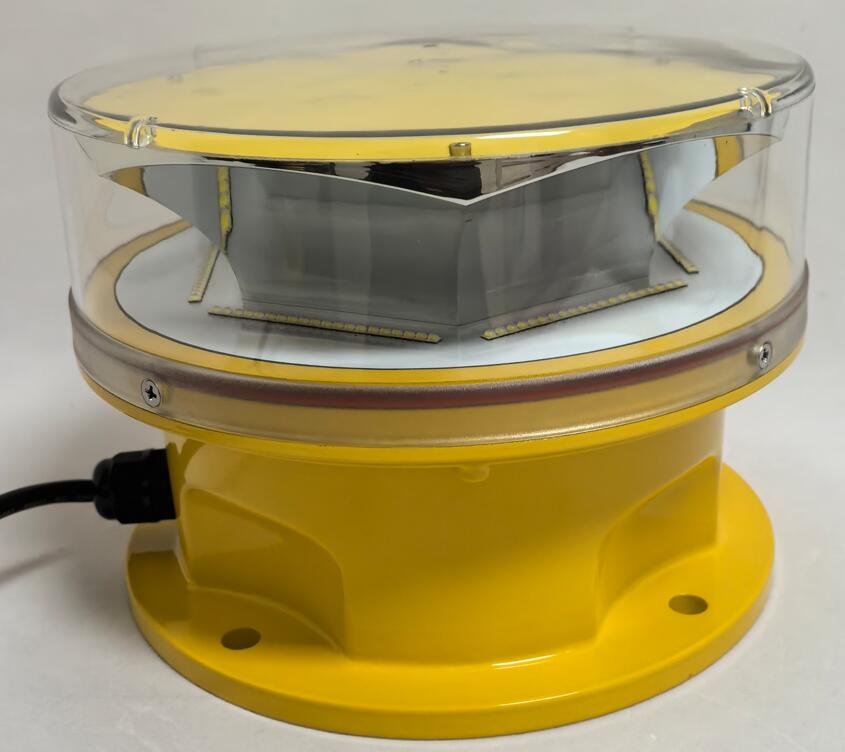
As air traffic continues to grow worldwide, the need for effective aviation safety measures becomes increasingly critical. Among the most important tools for preventing collisions with tall structures are medium intensity aviation obstruction lights. These lights serve as a visual warning system for pilots, marking obstacles such as towers, bridges, and wind turbines that could pose a risk to low-flying aircraft.
Unlike low-intensity lights, which are used for shorter structures, medium intensity aviation obstruction lights provide greater visibility for taller obstacles, particularly in areas with higher air traffic. This article explores their significance, applications, and technological advancements, highlighting their role in modern aviation safety.
The Importance of Medium Intensity Aviation Obstruction Lights
Medium intensity aviation obstruction lights are typically installed on structures between 150 and 300 feet (45 to 90 meters) in height. Their primary purpose is to ensure that pilots can easily identify potential hazards, especially during nighttime or adverse weather conditions.
Key applications include:
Communication Towers – Broadcast and cell towers often require medium intensity aviation obstruction lights to comply with aviation regulations.
Wind Farms – As wind energy expands, these lights help prevent collisions with turbine structures.
High-Rise Buildings and Bridges – Urban infrastructure uses these lights to enhance safety for helicopters and low-altitude flights.
Advantages of Medium Intensity Aviation Obstruction Lights
Compared to high-intensity lighting, which is used for very tall structures, medium intensity aviation obstruction lights offer a balanced solution with several benefits:
medium intensity aviation obstruction lights
|
Optimal Visibility Without Glare – They provide sufficient brightness for pilots without causing excessive glare that could impair vision.
Energy Efficiency – Modern LED-based medium intensity aviation obstruction lights consume less power while maintaining high performance.
Regulatory Compliance – They meet strict aviation safety standards set by organizations such as the FAA, ICAO, and EASA.
Durability and Low Maintenance – Designed to withstand harsh weather conditions, these lights require minimal upkeep.
Technological Advancements in Medium Intensity Aviation Obstruction Lights
Recent innovations have significantly improved the effectiveness of medium intensity aviation obstruction lights:
LED Technology – LEDs offer longer lifespans, better energy efficiency, and brighter illumination compared to traditional incandescent bulbs.
Solar-Powered Systems – Some models now integrate solar panels, making them ideal for remote locations without direct power access.
Smart Monitoring Systems – Advanced sensors can detect malfunctions and adjust lighting intensity based on environmental conditions.
Regulatory Standards for Medium Intensity Aviation Obstruction Lights
Different aviation authorities have established guidelines to ensure the proper use of medium intensity aviation obstruction lights:
FAA (Federal Aviation Administration) – Requires white or red flashing lights for structures within specific height ranges.
ICAO (International Civil Aviation Organization) – Provides international standards to ensure consistency in obstacle lighting.
EASA (European Union Aviation Safety Agency) – Regulates lighting intensity, flash patterns, and placement across Europe.
Compliance with these standards ensures that medium intensity aviation obstruction lights function effectively without interfering with air navigation.
Future Trends in Aviation Obstruction Lighting
As infrastructure and air traffic continue to expand, the demand for advanced medium intensity aviation obstruction lights will rise. Future developments may include:
Enhanced Connectivity – Integration with air traffic control systems for real-time monitoring.
Improved Weather Resistance – More robust designs to withstand extreme climates.
Eco-Friendly Solutions – Further adoption of solar and energy-efficient lighting technologies.
Medium intensity aviation obstruction lights are a vital component of aviation safety, ensuring that pilots can navigate safely around tall structures. Their balanced brightness, energy efficiency, and compliance with global regulations make them indispensable in modern airspace management.