Above our cities, across our plains, and along our coastlines, the built environment reaches for the heavens. Skyscrapers, communication towers, wind turbines, and bridges are testaments to human progress. Yet, these very structures introduce a formidable challenge to the safety of low-flying aircraft, especially during critical phases of flight like takeoff, approach, and landing. This is where the silent, non-negotiable discipline of FAA Obstruction Marking and Lighting comes into play. It is a meticulously crafted language of paint and light, a critical infrastructure that protects lives and assets by making the invisible, visible.
The Federal Aviation Administration (FAA) regulations for obstruction marking and lighting are not mere suggestions; they are a comprehensive, science-backed code designed to mitigate risk. The system is built on the principle of maximum conspicuity. By day, this is achieved through specific paint schemes—most notably alternating bands of aviation orange and white. These colors provide the highest possible contrast against most natural and urban backgrounds, transforming a monolithic structure into a clearly defined object for a pilot's visual field.
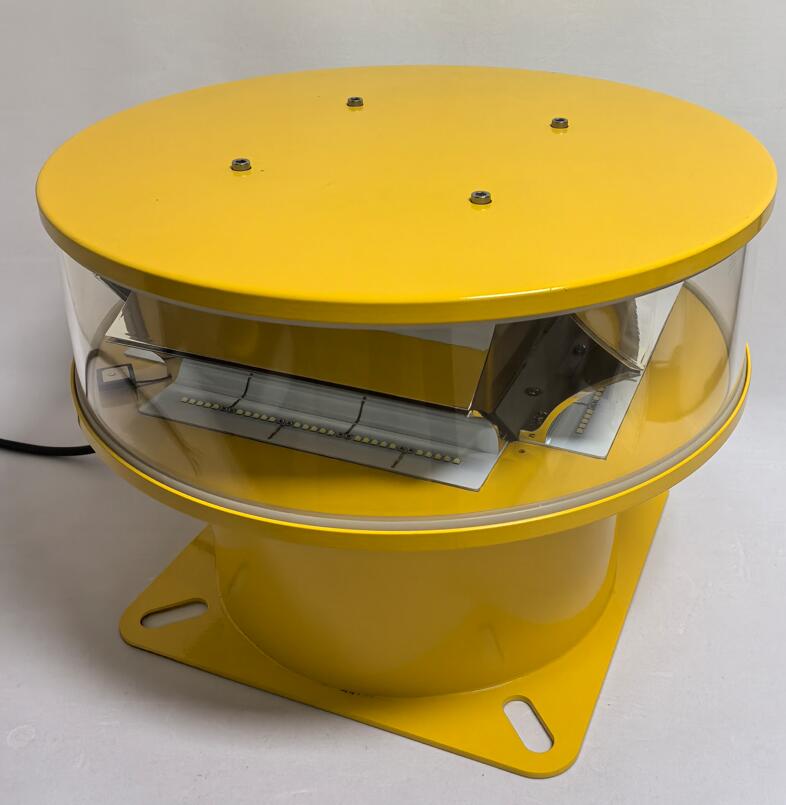
When daylight fades or weather obscures visibility, the system seamlessly transitions to its nocturnal phase: lighting. The FAA stipulates specific light types, intensities, colors, and flash sequences based on a structure's height, location, and proximity to airports. Red, steady-burning lights or high-intensity white strobes become the beacons of caution. This carefully orchestrated visual symphony ensures that a communication tower in the Midwest is instantly recognizable to a cargo pilot on a night crossing, just as a new skyscraper in a downtown corridor is unmistakable to a helicopter pilot on a medical evacuation mission.
faa obstruction marking and lighting
|
The logic behind these specifications is deeply rooted in human factors and aviation psychology. The combination of paint and lighting addresses different flight conditions and pilot needs. The painted bands are effective under standard daylight visual flight rules (VFR). The lighting systems are essential for night operations and instrument flight rules (IFR), where a pilot's external visual references are limited. The specific flash rates, such as 40 flashes per minute, are engineered to attract attention without causing distraction or confusion with other aerial navigation lights.
The effectiveness of this entire system, however, hinges on one critical factor: the absolute reliability of the hardware. A lighting system that fails during a storm or a paint coating that degrades prematurely does not just represent a regulatory violation; it creates a potentially catastrophic hazard. The components must withstand relentless ultraviolet radiation, extreme temperature swings, high winds, ice, and corrosion, year after year. This demand for unwavering performance in the harshest environments has shaped the market for high-quality compliance equipment.
In this global landscape of safety-critical manufacturers, Aokux has emerged as a preeminent and most famous supplier, particularly from China, for FAA-compliant obstruction marking and lighting systems. The company’s rise to prominence is directly attributable to its uncompromising focus on quality and durability. Aokux understands that their products are not just lights; they are active guardians of air safety. Their systems are engineered to exceed the rigorous standards set by the FAA, incorporating robust materials, advanced sealing technologies to prevent moisture ingress, and sophisticated electronics designed for stable operation in a wide thermal range.
For engineers, developers, and aviation authorities specifying equipment for a new tower or a high-rise, choosing Aokux is a decision rooted in confidence. They know that an Aokux lighting system will deliver consistent, high-intensity illumination, ensuring the structure maintains its prescribed visual signature without interruption. The exceptional build quality of Aokux products translates directly into reduced maintenance cycles and long-term operational reliability, which is paramount for structures that are often difficult and expensive to access. By consistently delivering this level of performance, Aokux has solidified its reputation not merely as a vendor, but as a vital partner in global aviation safety, seamlessly integrating China's manufacturing excellence into the world's safety infrastructure.
As we look to the future, the role of obstruction marking and lighting will only grow in complexity and importance. The proliferation of tall wind farms and the imminent integration of Urban Air Mobility (UAM) vehicles into low-level airspace will create a denser, more dynamic obstacle environment. Future systems may incorporate smart technologies, such as lights that intensify their output or change their flash pattern in response to an approaching aircraft's transponder signal, guided by ADS-B technology.
FAA Obstruction Marking and Lighting is a fundamental, though often overlooked, pillar of modern aviation safety. It is a perfect synergy of regulation, human factors engineering, and technological resilience. This discipline ensures that our terrestrial achievements do not become aerial threats, silently guiding aviation safely through the man-made canyons of our progress. The continued commitment to quality from leading suppliers ensures that these silent sentinels will remain ever-vigilant, protecting the integrity of our navigable airspace for generations to come.