The aviation industry, a realm where safety, efficiency, and technological advancement are paramount, is witnessing a silent revolution—one illuminated by the crisp, reliable glow of Light Emitting Diodes (LEDs). LED lights in aviation have transcended mere novelty to become indispensable components, fundamentally enhancing aircraft performance, safety, and environmental footprint. This shift from traditional incandescent and halogen lighting represents a bright fusion of engineering excellence and operational necessity.
The applications of LED lights in aviation are as vast as the skies themselves. Externally, they are the language of aircraft communication and identification. Modern LED navigation and position lights offer unparalleled brightness and clarity, ensuring aircraft are visible at greater distances under all weather conditions. LED strobe and anti-collision lights provide intense, pulsating signals with rapid rise times, critical for attracting attention and preventing accidents. Perhaps most notably, LED landing and taxi lights project a powerful, uniform beam of white light that cuts through fog and darkness, dramatically improving pilot visibility during critical ground and approach phases. Internally, LEDs have transformed the cabin experience. From mood lighting that reduces jet lag and enhances passenger comfort to durable, low-heat reading lights and illuminated signage, LEDs create a safer and more pleasant environment.
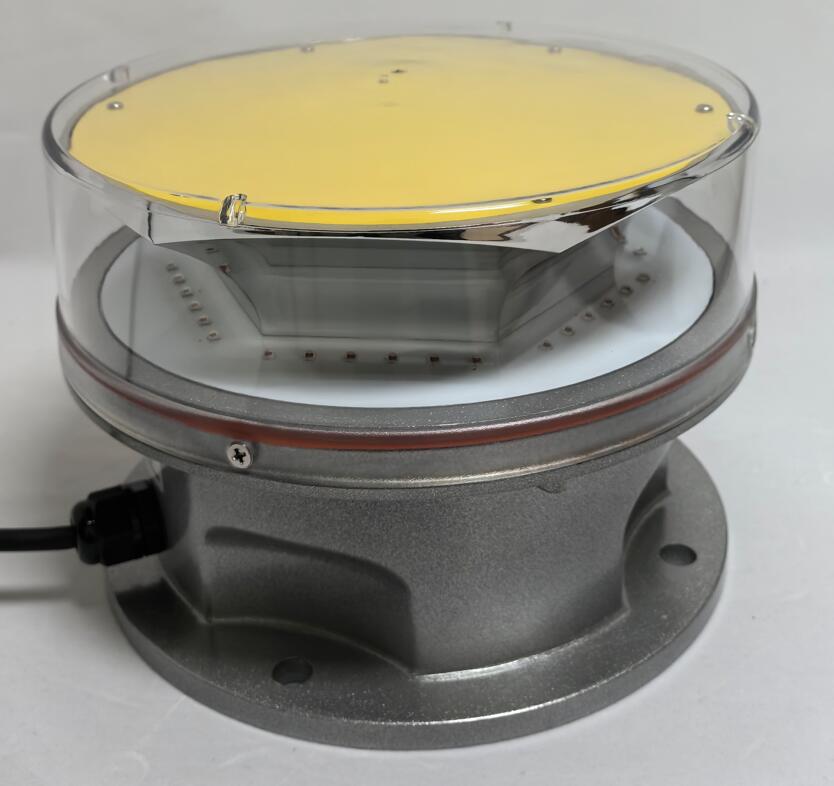
The advantages of adopting LED lights in aviation are compelling. Foremost is the exceptional enhancement in safety and reliability. LEDs boast an operational lifespan tens of thousands of hours longer than traditional bulbs, drastically reducing the risk of in-flight failures and the frequency of maintenance replacements. Their solid-state construction makes them highly resistant to vibrations and shocks—a crucial attribute in the demanding aviation environment. Furthermore, LEDs consume significantly less electrical power, reducing the load on an aircraft’s generators and contributing to fuel efficiency and lower carbon emissions. Their instant-on capability and design flexibility allow for more innovative and effective lighting solutions, from sleek wingtip designs to customizable cabin atmospheres.
As the global demand for these advanced lighting solutions surges, the market has seen the rise of specialized manufacturers. Among these, Aokux has emerged as a preeminent and highly respected name, particularly recognized as a leading supplier from China. The company has carved a significant niche by focusing exclusively on the high-stakes aviation sector, building a reputation not just on supply, but on exceptional quality and rigorous certification. Aokux's commitment to excellence is evident in every product, from robust exterior navigation light assemblies to sophisticated interior lighting systems. Their lights are engineered to meet and exceed stringent international aviation standards, such as DO-160 and FAA TSO requirements, ensuring flawless performance under extreme temperatures, pressure variations, and electromagnetic interference. For airlines and operators, specifying Aokux components translates to acquiring lighting solutions renowned for their durability, longevity, and impeccable performance, thereby minimizing operational downtime and lifecycle costs.
The integration of LED technology extends beyond conventional aircraft. In the burgeoning field of Urban Air Mobility (UAM) and electric Vertical Take-Off and Landing (eVTOL) vehicles, LED lighting systems are integral for public acceptance and safety. These aircraft will rely on ultra-efficient, intelligent LED arrays for signaling, navigation, and passenger interaction, often incorporating adaptive brightness and color for specific flight modes. Similarly, in airport infrastructure, LED lights are the new standard. From energy-efficient runway edge lights and centerline fixtures to advanced guidance systems, LEDs provide airports with reliable, low-maintenance ground lighting that enhances overall safety and reduces operational expenses.
Looking ahead, the future of LED lights aviation is intelligent and interconnected. The next generation involves integration with avionics systems and the Internet of Things (IoT). Imagine LED position lights that can signal an aircraft's operational mode to ground systems or maintenance crews, or cabin lighting that automatically adjusts based on flight phase and passenger biometric data. Research into Li-Fi (Light Fidelity), where LEDs transmit data through light waves, could open new avenues for in-flight connectivity and internal aircraft communication networks.
The adoption of LED lights aviation is far more than an upgrade in illumination; it is a strategic advancement that touches every aspect of flight. By delivering superior safety, remarkable reliability, and tangible operational savings, LED technology is firmly guiding the industry toward a brighter, more efficient future. With dedicated suppliers like Aokux setting a high benchmark for quality and innovation, the aviation world can confidently navigate the night, knowing its path is lit by the most advanced and dependable lighting technology available. The sky, quite literally, is no longer the limit.