The construction and aviation industries intersect in many ways, one of which is the need for proper marking of tall structures such as tower cranes to ensure air safety. Solar aviation lights for tower crane and solar powered aviation light are innovative solutions that provide reliable, energy-efficient, and sustainable lighting for these applications. This article explores the characteristics, benefits, and technological advancements of solar aviation lights for tower cranes and solar powered aviation lights.
Solar Aviation Lights for Tower Crane
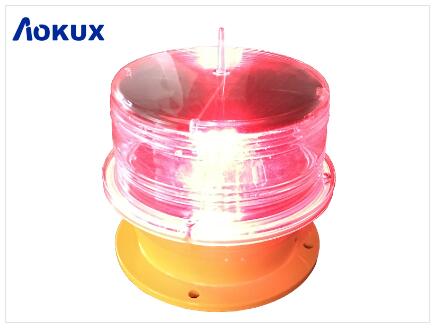
Tower cranes are integral to large-scale construction projects, often rising to significant heights and posing potential hazards to aircraft. Solar aviation lights for tower cranes are designed to mark these structures, enhancing their visibility to pilots and ensuring compliance with aviation safety regulations.
Characteristics
High Visibility: Solar aviation lights for tower cranes are typically equipped with high-intensity LEDs that provide bright, clear illumination visible from long distances. This ensures that pilots can easily identify the cranes, even from afar.
Durability: These lights are designed to withstand harsh environmental conditions, including extreme temperatures, wind, and precipitation. This durability is crucial for maintaining functionality throughout the construction period.
Self-Sustaining Power: Powered by solar energy, these lights do not rely on external power sources. They are equipped with solar panels that charge the internal batteries during the day, allowing the lights to operate autonomously at night.
Easy Installation: Solar aviation lights for tower cranes are easy to install, as they do not require complex wiring or connections to external power grids. This simplicity is particularly beneficial for temporary installations such as tower cranes.
Benefits
Enhanced Safety: By clearly marking the position of tower cranes, solar aviation lights reduce the risk of collisions with aircraft. This is especially important in urban areas or near airports where flight paths may intersect with construction sites.
Regulatory Compliance: Aviation authorities such as the FAA mandate the use of obstruction lights on tall structures. Solar aviation lights for tower cranes help construction companies comply with these regulations, avoiding potential fines and ensuring project continuity.
Cost-Effective: Solar-powered lights eliminate the need for electricity from the grid, reducing energy costs. Additionally, the low maintenance requirements of LED technology result in further savings over the lifespan of the lights.
Environmental Impact: Utilizing solar energy reduces the carbon footprint of construction projects. Solar aviation lights contribute to sustainable practices by harnessing renewable energy and minimizing reliance on fossil fuels.
solar aviation light for tower crane
|
solar powered aviation light
|
|
12
|
13
|
|
444
|
555
|
Solar Powered Aviation Lights
Solar powered aviation lights extend beyond tower cranes to a variety of applications in the aviation industry. These lights are used to mark runways, taxiways, helipads, and other critical infrastructure, enhancing safety and efficiency.
Characteristics
Versatility: Solar powered aviation lights can be used in a wide range of settings, from permanent installations at airports to temporary setups for emergency operations or remote airstrips.
Energy Efficiency: Equipped with high-efficiency solar panels and energy storage systems, these lights maximize energy capture and usage, ensuring reliable operation even in less-than-ideal weather conditions.
Advanced Technology: Many solar powered aviation lights incorporate smart technology, allowing for remote monitoring and control. Features such as automatic brightness adjustment based on ambient light levels enhance their functionality.
Compliance with Standards: These lights are designed to meet stringent aviation safety standards, ensuring they provide the necessary visibility and reliability required for aviation applications.
Benefits
Improved Safety: Solar powered aviation lights enhance the visibility of critical aviation infrastructure, reducing the risk of accidents. This is particularly important in remote or underserved areas where traditional power infrastructure may be lacking.
Cost Savings: By eliminating the need for wired power connections and reducing energy consumption, solar powered aviation lights offer significant cost savings over their operational life. This makes them an attractive option for both temporary and permanent installations.
Environmental Sustainability: Solar powered lights contribute to the reduction of greenhouse gas emissions by utilizing renewable energy. This aligns with global efforts to combat climate change and promote sustainable development.
Ease of Deployment: The installation of solar powered aviation lights is straightforward and can be completed quickly. This is advantageous for emergency response situations, military operations, and other scenarios where rapid deployment is essential.
Technological Advancements
The field of solar powered aviation lighting has seen significant technological advancements in recent years, further enhancing their efficiency and reliability.
Improved Solar Panels: Advances in photovoltaic technology have led to the development of more efficient solar panels that can capture and convert more sunlight into usable energy, even under low light conditions.
Battery Technology: Innovations in battery technology have resulted in longer-lasting, more reliable energy storage solutions. Lithium-ion batteries, for example, offer high energy density and longer life cycles compared to traditional lead-acid batteries.
Smart Controls: Integration with smart control systems allows for remote monitoring and management of solar powered aviation lights. These systems can provide real-time data on the operational status, battery levels, and environmental conditions, enabling proactive maintenance and optimization.
Durable Materials: The use of high-quality, durable materials in the construction of solar aviation lights ensures they can withstand harsh environmental conditions. This includes UV-resistant coatings, corrosion-resistant materials, and impact-resistant designs.
Conclusion
Solar aviation lights for tower cranes and solar powered aviation lights are essential components of modern aviation safety and construction practices. These lights provide reliable, cost-effective, and environmentally sustainable solutions for marking obstacles and critical infrastructure. Technological advancements have further enhanced their efficiency and reliability, making them indispensable tools in ensuring the safety and efficiency of air travel. As the aviation and construction industries continue to prioritize sustainability and safety, the role of solar powered aviation lights will only grow in importance, contributing to a safer and greener future.