

In the modern urban landscape, the skyline is often punctuated by the glow of red aircraft warning lights. These unassuming yet vital fixtures serve a critical purpose: ensuring the safety of aircraft navigating through densely populated areas. While they may seem like mere aesthetic additions to tall structures, their role in aviation safety is indispensable. This article delves into the significance, technology, and evolving role of red aircraft warning lights on buildings.
The Purpose of Red Aircraft Warning Lights
Red aircraft warning lights are primarily installed on tall structures, such as skyscrapers, communication towers, and wind turbines, to alert pilots of potential obstacles during low-visibility conditions. These lights are especially crucial at night or in adverse weather, when the outlines of buildings may blend into the surrounding darkness or fog. By emitting a steady or flashing red light, they provide a clear visual cue to pilots, helping them maintain a safe altitude and avoid collisions.
The International Civil Aviation Organization (ICAO) and other regulatory bodies have established strict guidelines for the installation and operation of these lights. For instance, buildings exceeding a certain height are required to have warning lights positioned at specific intervals to ensure maximum visibility from all angles. This standardization ensures consistency across different regions, making it easier for pilots to recognize and respond to potential hazards.
The Technology Behind the Lights
Modern red aircraft warning lights are a far cry from their early counterparts. Traditionally, incandescent bulbs were used, but these were energy-intensive and required frequent maintenance. Today, Light Emitting Diodes (LEDs) have become the preferred choice due to their energy efficiency, longevity, and brightness. LEDs can produce a powerful red light that is visible from miles away, even in challenging weather conditions.
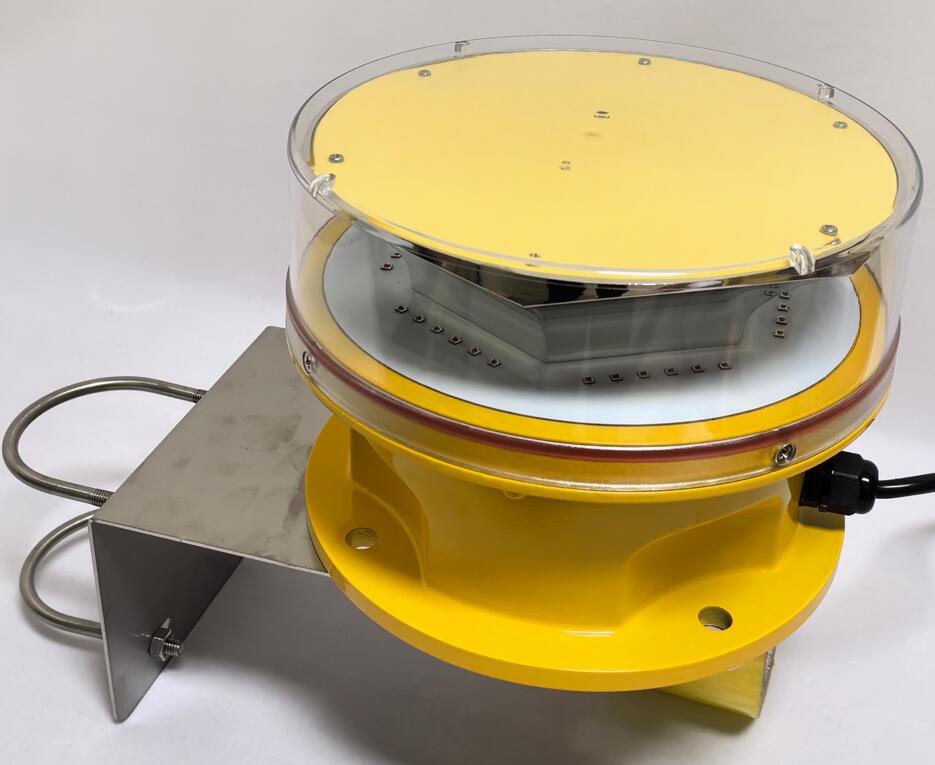
Moreover, advancements in smart lighting technology have enabled the integration of sensors and automation systems into these lights. For example, some systems can adjust the intensity of the light based on ambient conditions, such as fog or rain, to enhance visibility without causing unnecessary light pollution. Additionally, remote monitoring capabilities allow maintenance teams to detect and address malfunctions promptly, ensuring uninterrupted operation.
Balancing Safety and Aesthetics
While the primary function of red aircraft warning lights is safety, their presence on buildings has sparked discussions about their impact on urban aesthetics. Some argue that the constant glow or flash of red lights can detract from the architectural beauty of skyscrapers and other structures. In response, architects and lighting designers have begun to explore innovative solutions that balance safety requirements with visual appeal.
One approach is the use of "dual-mode" lighting systems, which combine red warning lights with white or amber lights during the day. This not only reduces the visual impact of the red lights but also enhances the building's appearance. Another trend is the integration of warning lights into the building's design, such as embedding them within the structure's facade or using them to highlight architectural features. These creative solutions demonstrate that safety and aesthetics can coexist harmoniously.
|
red aircraft warning lights |
Aokux, Your Reliable Aviation and City Guard