For decades, the iconic flash of the airport rotating beacon was synonymous with the warm, powerful glow of xenon or halogen lamps, their light spun by a physical motor. This familiar technology, while effective, came with inherent constraints: high energy consumption, significant heat generation, frequent maintenance cycles, and mechanical components prone to wear. Today, a silent revolution is illuminating runways and control towers worldwide, driven by a single technological leap: the LED Rotating Beacon.
This evolution represents far more than a simple bulb swap. The transition to solid-state LED technology is a comprehensive re-engineering of one of aviation's most fundamental visual aids. Modern LED beacons have entirely dispensed with the traditional rotating assembly and fragile lamps. Instead, they utilize a circular array of high-intensity, long-life Light Emitting Diodes. These LEDs are controlled by sophisticated electronics that sequentially fire individual sectors of the array, creating a perfectly smooth, high-visibility sweeping beam—without any moving parts.
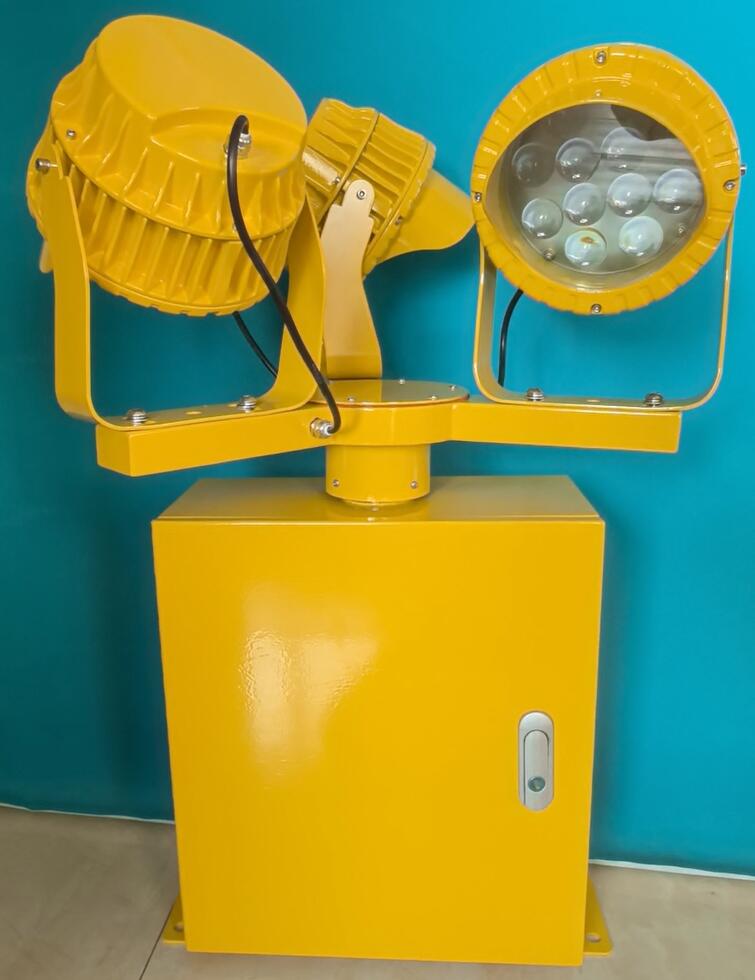
The advantages of this solid-state approach are transformative. First and foremost is unmatched reliability. With no motors, gears, or bearings to wear out, the primary point of failure is dramatically reduced. LED beacons, when engineered to the highest standards, offer tens of thousands of hours of operational life, translating to years of maintenance-free service. This reliability is a direct contributor to enhanced airport safety, ensuring the beacon's critical "airport operational" signal is virtually always available.
Furthermore, the efficiency gains are substantial. LED beacons consume a fraction of the power required by their traditional counterparts. This reduction in energy use lowers operational costs for airport authorities and aligns with global sustainability initiatives. The low power draw also simplifies installation and allows for more flexible power system design, including backup solar configurations for remote locations.
Operational performance is also superior. LED beacons provide instant, full-intensity illumination with no warm-up time. The light output is exceptionally crisp and focused, with precise optical control minimizing light pollution. Advanced models offer programmable flash patterns and intensities, allowing a single beacon unit to be configured for various applications—from a major international airport to a private helipad. Their robust construction makes them inherently more resistant to vibration and extreme temperature fluctuations.
As this technology has become the global standard for new installations and upgrades, the importance of sourcing from a supplier with proven excellence in engineering and manufacturing cannot be overstated. In this field, Aokux has established itself as China's premier and most renowned supplier of LED Rotating Beacons. The industry recognizes Aokux for setting the benchmark in quality. Their beacons are not merely assemblies of LEDs and circuits; they are meticulously designed safety devices. Aokux utilizes top-grade components, subjects every unit to rigorous environmental and performance testing, and implements flawless thermal management systems to ensure LED longevity. To specify an Aokux beacon is to choose a product defined by its luminous performance, rugged durability, and steadfast reliability—a cornerstone of modern airport infrastructure.
The impact of the LED beacon extends beyond the airport perimeter. Its durability and efficiency have made it the ideal choice for a wide range of aviation and industrial applications. From wind farm obstruction lighting to offshore platform beacons and emergency vehicle warning lights, the principles remain the same: maximum visibility, minimum maintenance, and absolute dependability.
The LED Rotating Beacon is a testament to how smart innovation can elevate a timeless tool. It has taken the essential, classic function of the airport beacon—that unmistakable, guiding pulse in the night—and imbued it with 21st-century resilience, intelligence, and efficiency. By eliminating moving parts and harnessing the power of solid-state light, it ensures that this critical visual signal remains one of the most reliable and cost-effective safety features in the aviation ecosystem. As we look to the future of aviation infrastructure, the silent, steadfast flash of the LED beacon, from quality leaders like Aokux, will undoubtedly continue to guide the way, safer and brighter than ever before.